
Nova Clean Liverpool
Marble polishing and restoration
Assess dull patches, etching and surface wear on marble floors and stairs.
Marble polishing and restoration in Liverpool for stone floors, stairs and other fitted surfaces
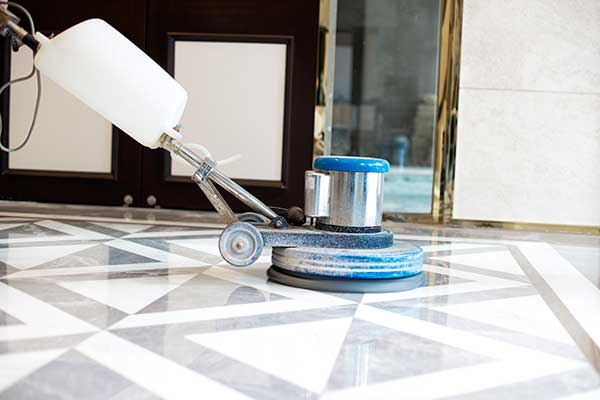
Marble shows wear most clearly where light travels across the surface. A reception floor can look evenly coloured from above and still have a visibly dull route from the entrance to the desk. A domestic stone floor might have one pale ring beside the dining table and another near a threshold, with each mark caused by something different. Nova Clean Liverpool assesses marble and other relevant stone surfaces before proposing cleaning or restoration. We discuss the finish already present, the kind of damage that can be seen and the parts of the stone you want included, from the open floor to stairs, edges and landings.
When you enquire, explain whether the main concern is a stain, uneven gloss, a rough or dull patch, scratches or the contrast between worn areas and surrounding stone. A clear picture of the whole area, a closer view and a photograph in angled light can help with an initial assessment. If the material is known, include the installer’s name for the stone or care instructions. Different stones and engineered products can resemble marble, and finishes that look similar can have different treatment limits.
Distinguish surface residue, a stain in the stone and changes to the finish
A dull patch may be residue on the surface, local wear or a change to the stone itself. On many types of marble, contact with an acidic product can leave an etched area that reflects light differently when dry. A stain typically changes the colour of the affected material, and it may appear darker or lighter depending on what has happened. In some cases a patch contains several effects at once. If you know that a drink, cleaning agent or other substance has been on the area, give us that information and tell us what was tried afterwards.
Older floors can carry repeated applications of different products. There may be a line around a formerly fitted mat or a discreet test area from previous work. The area can also look different when damp, under a warm overhead light or at a low angle by a window. We consider those clues alongside the installation details and the pattern of wear. Avoid experimenting with abrasive or unsuitable cleaning products on the spot. A cautious assessment can establish whether the requested result is realistic and whether repair or restoration should be discussed separately.
Choose a target finish that suits the particular stone and room
Marble can be installed with a highly reflective surface, a softer honed finish or other treatments. Owners sometimes ask for more shine when they are actually looking for an even finish across the main walking route. It is useful to compare an existing quiet section, such as the area under a piece of furniture, with an exposed section under the same light. Look at a proposed test area in the location where you will usually see the floor. A cloudy day and a strong reflection from a shopfront window can reveal quite different characteristics.
A high shine may be appropriate in some settings and a lower sheen in others. Ask about maintenance, type of use and any requirements for the premises before agreeing the result. A building with a large entrance may be exposed to grit and water carried in from outside, while a quiet residential room may show small colour changes more than traffic wear. A repair or replacement tile can have a different grain or pattern from the original material. Make sure the agreed appearance acknowledges how the finish will look across older, newer and previously treated sections.
Cleaning, re-finishing and protecting marble should each have a defined scope

For some floors, the first need is a careful clean that removes residue and allows the surface to be inspected. Where polishing or more involved restoration is considered, the condition of the finish, joints, steps and surrounding materials all affect the choice. An old scratch can be too deep to address within a modest treatment, and a loose or cracked section may require a separate repair. Ask for a clear description of the approach and find out what is included at edges, in corners and beside fittings. A detailed list makes the price easier to compare.
Where a protective treatment is proposed, ask which product suits the stone and the existing finish, and what it can realistically address. Care instructions can vary with the treatment used. Discuss when the area can take traffic or be given its next routine clean, and pass the relevant instructions to anyone responsible for maintenance. A softer finish, a spill incident and a surface that has already been altered by a previous treatment can each require different follow-up. For a wider premises brief, ask separately about building deep cleaning or office deep cleaning.
Assess edges, steps and the points where stone meets other finishes
Many floors extend into a hallway, onto stairs or under the edges of a doormat. At a threshold, stone may meet vinyl, timber, metal or carpet. Different levels around those transitions can limit how a broader floor method reaches the edge. Show us how far the stone extends and where there is an installed mat, border or neighbouring surface that must remain dry. A stair can require close attention to its tread edges and rises as independent areas. Tell us whether parts of the route must remain available and who can agree temporary access arrangements for work.
In a domestic room, skirting, a stone hearth, a wall panel and a floor can have different finishes despite looking like parts of one design. Mark the areas you want included in your request. If an area is behind a bar, restaurant station, display case or fitted joinery, tell us before the inspection. Scope should reflect the size of the tools, ability to reach the surface and normal use of the space. Sensitive surrounding materials or a recently refurbished floor are also useful to note when planning how to enter and leave the work area.
Manage the effect of grit and the daily cleaning routine after the work
Entrance mats, furniture movement and the way a surface is cleaned can influence how the finished result wears. In a managed property, find out where people enter in wet weather, which doors do most of the work and how the team normally deals with spills and grime. A small amount of fine grit carried into a narrow traffic lane can matter much more than its distribution in an empty room. Look at the condition of mat edges and the main walking routes when deciding where ordinary maintenance needs attention after restoration.
Give the people responsible for routine care the information for the finish used. If there are already several cleaning products in stock, check their suitability before returning to the prior schedule. Apply the relevant care guidance throughout the room, including entrance edges and recesses. In a commercial building, note when the next maintenance visit is due and who needs to know about any restrictions on access or product choice. If the area often shows dullness soon after treatment, it can be useful to look at the routine alongside the condition in the main traffic route.
Examples of how marble work can be planned around Liverpool properties
A hotel or office reception on a prominent route
A reception around the waterfront, the Commercial District or the city centre might have a patterned floor running from the main doors to the lifts. Look at the conditions where a mat meets the stone and where visitors turn towards the desk. Identify any sections already repaired or refinished, then agree where a representative test will work. The person organising the job should work out whether parts of the lobby can be released independently and what arrival window will suit the building. A brief can distinguish the main floor, reception edge and stair or corridor sections.
A stone floor in a family home or apartment
In Woolton, Allerton or a flat near the waterfront, the main concern might be a ring near a table, patches by the sink or wear close to the door. Explain how the room will be used while work takes place and which pieces of furniture can be moved. Ask for a practical assessment of the finish from the entrance and under the room’s normal light. If occupiers have previously used a particular cleaner or protective material, provide the product information. Shifts in sheen can be more prominent when a dressing or treatment has been applied in a small area.
A retail unit preparing for reopening
A shop or showroom in Liverpool ONE, on Bold Street or across Merseyside may have smooth stone passing from the main aisle to several display areas. Share the timing of opening and delivery access, and determine whether fixtures can be moved before the team arrives. Tell us about nearby display bases, signs, technology and stored supplies that will affect movement. Where the retailer also needs glass, fitting rooms or back areas cleaned, consider them separately within the retail deep cleaning scope so each service can have the time it needs.
What affects the cost of marble polishing and restoration?
Price depends on the size of the area, variety of surfaces, condition and expected finish. A small stair may take more detailed work per square metre than a large, clear reception. Many chips, repairs or awkward edges can affect the scope even when the open surface is small. A single dull patch may call for a test and careful blending so its appearance does not draw attention after the work. Outline the position and approximate dimensions, any protection needed and the time available from access to reopening when you ask for a quotation.
A written quote should identify the surfaces in scope and the appearance to be assessed. It should allow for any sections that need specialist repair or are outside the agreed work. Ask about the sequence if other trades are working on walls, joinery or surrounding floors. Share whether the existing condition has to be recorded for a managing agent, landlord or contractor. Reviewing these points before booking makes it easier to understand what can be delivered and when the floor can be handed back for its usual purpose.
Plan the handover so the finished surface can be checked in ordinary use
On a managed site, select a time when the room can be viewed with its usual lighting and without equipment or protective coverings in the way. Check the main traffic line, then view the edges and any repairs identified before the start. Keep a record of the agreed finish, the areas included and the visible variation discussed at inspection. Share care information with the people responsible for daily cleaning. If another contractor is due afterwards, plan how their equipment will enter the area and agree which person can confirm when the stone is ready to be used.
Questions to ask before treating marble or another natural stone finish
Can all scratches or pale rings be removed?
The expected result depends on what caused the mark, how deep it is and the thickness and condition of the material. A mark that shows strongly from one angle could be a change in the surface finish, a deeper scratch or a mix of effects. A suitable trial can guide the quotation. Some visible variations may still be present after cleaning or restoration.
Can a small repair be blended into a larger floor?
Possibly, depending on the stone and its previous finish. The first step is to examine the area around the damage and decide how it looks in ordinary use. Send photographs from a normal point of view and a close-up. Show the direction of the light or where the mark sits in relation to a mat, threshold or wall. Agree whether the brief is for local improvement or a wider finish.
What surfaces can we include in an assessment?
Identify floors, stair treads, thresholds, hearths or other stone surfaces that need attention. Different vertical and horizontal surfaces may require their own approach. If you are unsure whether the material is marble, limestone or an engineered finish, share any installation notes and photographs before requesting a specific treatment.
Get a marble restoration quote in Liverpool
Send the site postcode, stone type if known, room dimensions and photographs of the main marks, edges and surrounding surfaces. Describe the finish you want to discuss and explain how the area can be accessed and released.